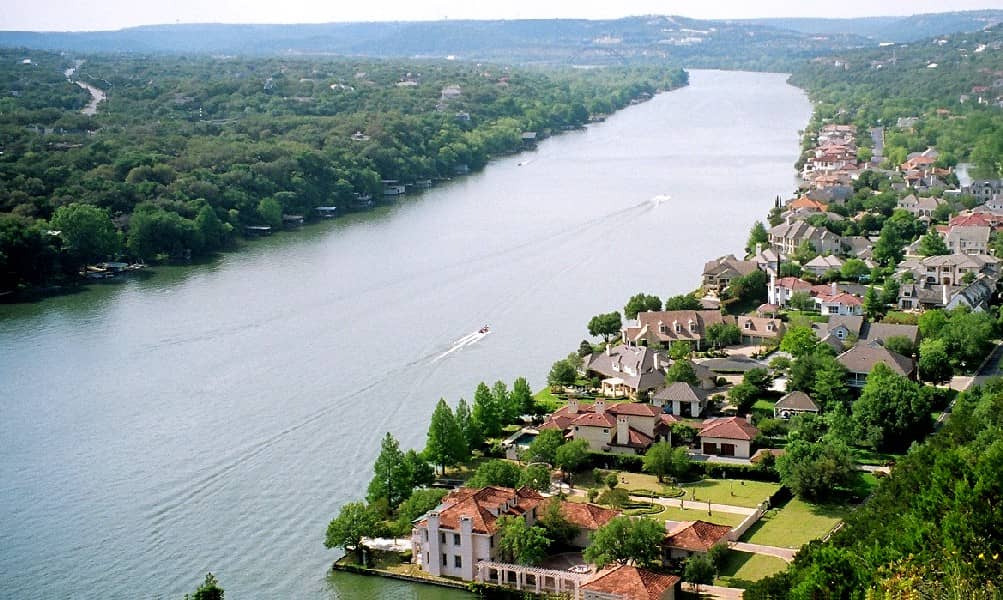
Officials with the City of Austin have reported an increase of hydrilla on Lake Austin primarily in coves and backwaters downstream of Loop 360. Hydrilla is a non-native, invasive plant that began reappearing in the lake in 2024. Since then, Texas Parks and Wildlife found hydrilla present in 74 acres of the lake.
To get ahead of the growth, the City of Austin will add approximately 350 sterile grass carp to Lake Austin later this week. This represents about five grass carp per acre of hydrilla, a conservative stocking rate. Grass carp feed on hydrilla.
The goal is to slow down the growth of hydrilla and reduce its density in the coves.
Currently, hydrilla is not affecting use of the lake as a whole, and the overall vegetation level in the lake is appropriate to support aquatic life.
Austin residents and visitors can take the following steps to help prevent the spread of non-native species like hydrilla and zebra mussels:
- Clean, drain, and dry boats and gear before and after use
- Avoid swimming and boating through dense patches of underwater vegetation
- Don’t toss plant pieces back into the lake – State fines can be up to $2,000 per plant