Texas Governor Greg Abbott is continuing a statewide push for major property tax changes, unveiling a five-point proposal this week that he says would significantly reduce the burden on homeowners across Texas.
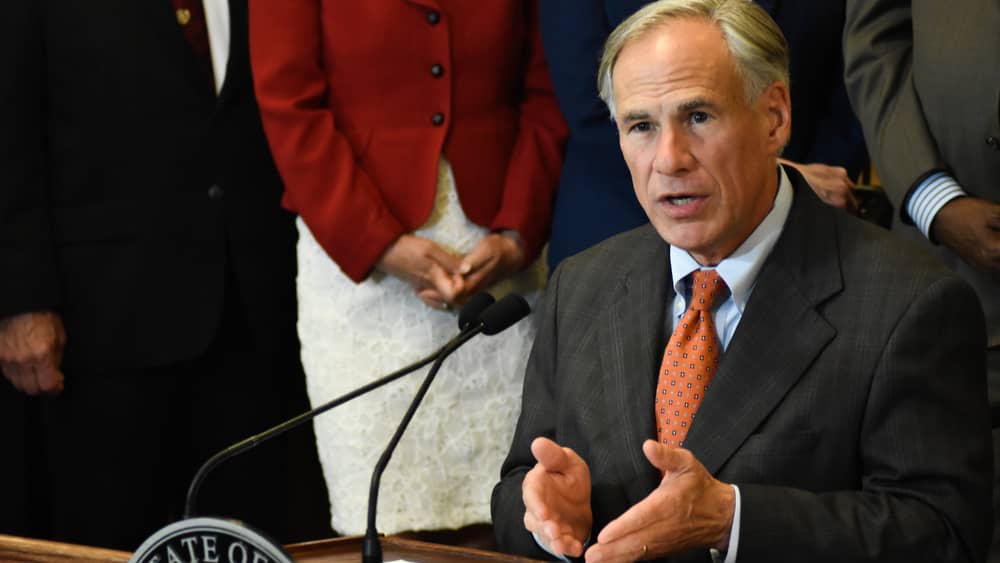
Abbott laid out the proposal during a press event in Manor, urging Republican lawmakers to publicly pledge their support as the Legislature prepares to debate property tax reform next year. The governor framed the plan as part of a broader effort to prevent Texans from being “taxed out of their homes.”
Abbott’s proposal focuses on both reducing property tax growth and giving voters more control over local tax increases. Key elements include:
1. Limiting local government spending growth
The plan would cap the growth of local government spending at the rate of population growth plus inflation, or 3.5%—whichever is lower. The governor argues that tying spending increases to those metrics would prevent local governments from rapidly increasing tax burdens.
2. Two-thirds voter approval for property tax increases
Under Abbott’s proposal, any property tax increase would require approval from two-thirds of voters, significantly raising the bar for local governments seeking to increase taxes.
3. Easier rollback elections for taxpayers
Taxpayers would be able to trigger a rollback election if 15% of registered voters sign a petition, allowing voters to challenge and potentially reverse local property tax increases.
4. Changes to appraisal rules
The governor’s plan would move to five-year appraisal cycles and reduce the annual cap on homestead appraisal increases from 10% to 3%, while extending appraisal caps to all property types, including businesses and rental properties.
5. Possible elimination of school district property taxes
Perhaps the most sweeping proposal is a constitutional amendment that would allow voters to eliminate property taxes used to fund school districts, replacing that revenue through other state funding sources.
“Exactly zero Texans have come up to me and said, ‘Governor, I’m perfectly happy with my property tax bill,’ because no one is,” Abbott said.
The governor said the goal of the plan is to ensure Texans can afford to stay in their homes long-term and “drive a stake to the heart of property taxes in Texas.”
Abbott also pointed to previous efforts to increase the homestead exemption, which now shields the first $140,000 of a home’s value from school property taxes.
While Abbott is urging Republican lawmakers to sign a pledge supporting the plan, several GOP members of the Texas House have not yet committed.
According to reports, Republicans who have not signed the pledge include:
-
Jeff Barry
-
Greg Bonnen
-
Dustin Burrows
-
Angie Chen Button
-
Tom Craddick
-
Caroline Fairly
-
Charlie Geren
-
Brian Harrison
-
Todd Hunter
-
Brooks Landgraf
-
Will Metcalf
-
Morgan Meyer
-
Terry Wilson
Incoming state Rep. Kristen Plaisance has also not signed the pledge.
Some lawmakers say they are still reviewing the details of the proposal before committing. Others have argued the plan does not go far enough.
State Rep. Brian Harrison, for example, said he believes Texas should push for the complete elimination of property taxes, not just reforms.
Even among Republicans, there are differing views on the best path forward. For example, Lieutenant Governorn Dan Patrick has promoted a more incremental approach focused on expanding homestead exemptions and limiting spending growth rather than completely eliminating school property taxes.
Abbott acknowledged that some parts of his proposal—particularly eliminating school property taxes—would require a constitutional amendment, meaning bipartisan support in the Legislature would likely be needed to place the measure before voters.
Still, the governor said he believes support is growing among lawmakers.
“We have great momentum. We’re adding more House members every day,” Abbott said.
The proposal is expected to become a major topic of debate in the Texas Legislature as lawmakers consider how to deliver additional property tax relief for homeowners across the state.