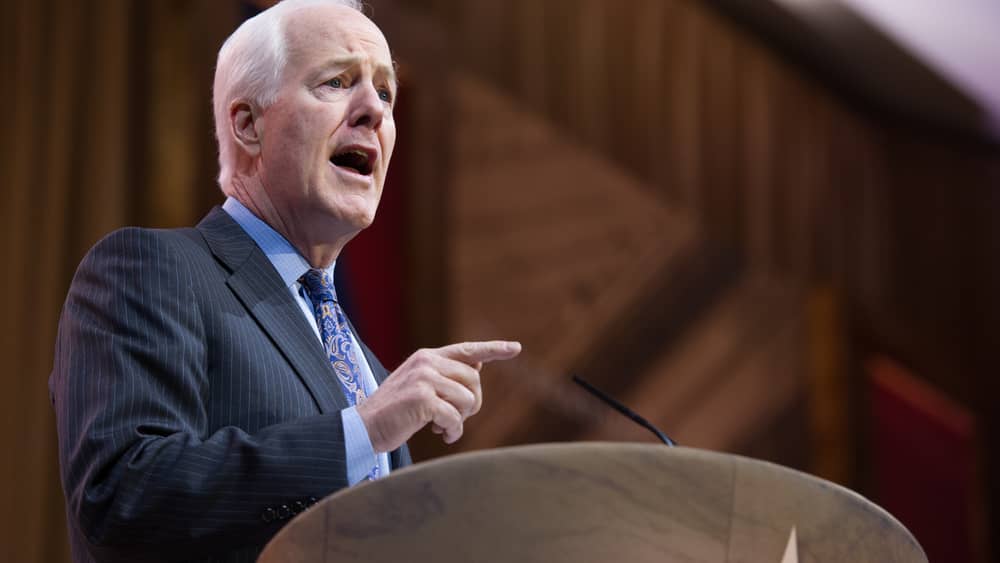
U.S. Sen. John Cornyn (R-TX) has introduced a legislative package aimed at cracking down on fraud, recovering taxpayer dollars, and increasing oversight of federal spending.
The proposal, known as the “Protecting American Taxpayers Act,” is being led by Sen. Joni Ernst (R-IA) and includes several bills focused on fraud prevention, enforcement, and government accountability.
As part of the package, Cornyn is promoting his Veterans Scam and Fraud Evasion (VSAFE) Act, which would create a dedicated fraud prevention role within the U.S. Department of Veterans Affairs to help protect veterans from scams and improve response efforts.
“Congress must do more to protect Americans who are being defrauded,” Cornyn said in a statement, adding that the legislation is intended to ensure taxpayer dollars are used responsibly and that those committing fraud are held accountable.
The broader package includes a range of proposals targeting different areas of fraud and government spending. Among them:
- Creation of a federal task force to address scams involving AI-generated “deepfake” technology
- Extensions to statutes of limitations for prosecuting pandemic-related fraud
- New requirements for the U.S. Treasury to strengthen payment verification systems
- Expanded whistleblower protections for government contractors
Other measures focus on recovering funds and limiting improper payments, including efforts to claw back unused COVID-19 relief money and prevent individuals convicted of fraud from receiving future federal assistance.
The legislation also proposes changes aimed at tightening how taxpayer dollars are spent, including increased transparency in federal budgeting and restrictions on certain international fund transfers tied to public assistance.
The proposal comes as lawmakers from both parties continue to raise concerns about fraud tied to pandemic-era relief programs. Federal watchdogs have estimated that tens of billions—and potentially more—were lost to improper payments and fraud during that period.
The bill package has been introduced in the Senate but would need approval from both chambers of Congress before it could become law.