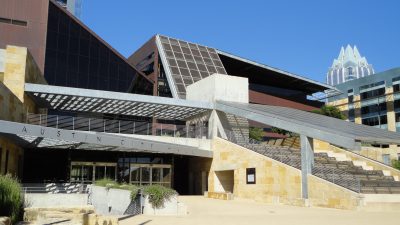
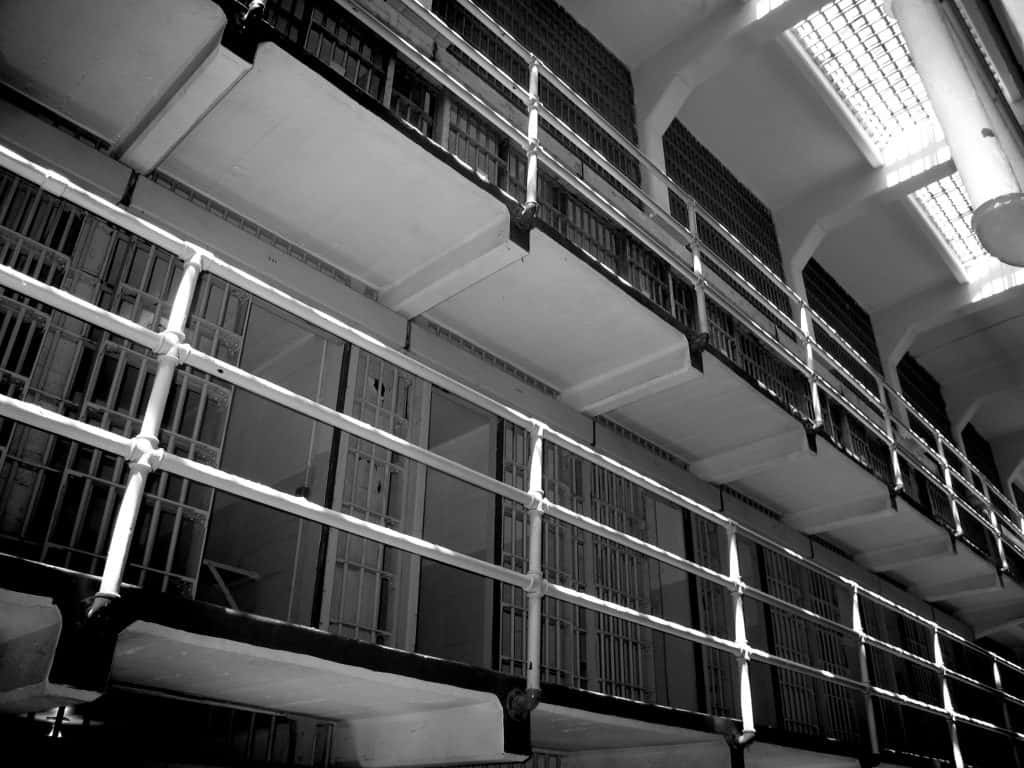
A federal trial is set to begin Monday in Austin that could determine whether Texas must install air conditioning in its prison system, where tens of thousands of inmates live in facilities without climate control.
The case stems from a lawsuit filed by incarcerated individuals and advocacy groups who argue that extreme heat inside Texas prisons amounts to unconstitutional “cruel and unusual punishment.”
The trial follows a 2025 ruling from U.S. District Judge Robert Pitman, who found that housing inmates in sweltering conditions without air conditioning is “plainly unconstitutional,” but stopped short of ordering an immediate fix.
Now, the court will decide whether to require the state to install air conditioning—and how quickly that must happen.
According to court filings, more than 80,000 inmates in Texas are housed in facilities without full air conditioning, with temperatures inside cells often climbing above 90 degrees during the summer months.
Advocates say those conditions have contributed to serious illnesses and deaths. Studies and reports cited in the case indicate multiple inmates have died in recent years during extreme heat events, including a deadly heat wave in 2023.
Attorneys for inmates argue the state is knowingly exposing both prisoners and staff to dangerous temperatures.
The Texas Department of Criminal Justice has acknowledged the need for more air conditioning but says progress is limited by cost and logistics.
State officials estimate it would cost more than $1 billion to fully air condition all prison units, with additional ongoing operating expenses.
The agency says it has expanded “cool beds” and implemented heat mitigation measures such as access to water, ice, and air-conditioned respite areas, while continuing to add air conditioning where funding allows.
The trial, expected to last about two weeks, could result in a federal order requiring Texas to install air conditioning across its prison system or meet specific temperature standards.
Attorneys for inmates are pushing for conditions similar to those already required in Texas county jails, where indoor temperatures must be kept between 65 and 85 degrees.
The case is being closely watched, as it could have major financial implications for the state and potentially influence prison conditions in other states facing similar lawsuits.
After the trial concludes, a ruling from the federal court could take months or longer, and any decision is expected to face appeals.
In the meantime, the case continues to highlight the ongoing debate over prison conditions, state funding priorities, and the balance between cost and inmate safety in Texas.