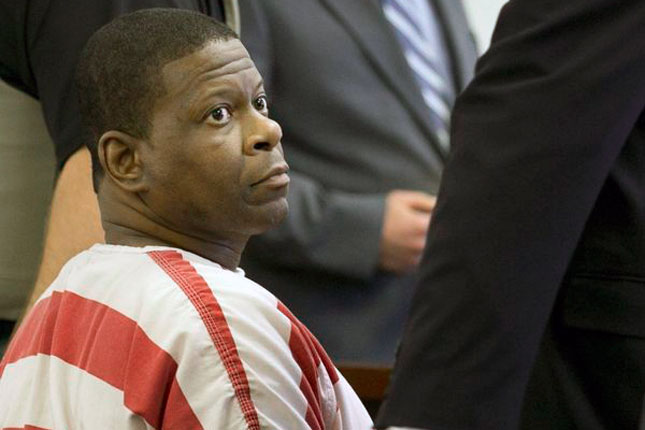
The U.S. Supreme Court has rejected an appeal from Texas death row inmate Rodney Reed, dealing another setback in his long-running effort to have new DNA evidence tested in his case.
The high court declined to take up Reed’s appeal this week, leaving in place a lower court ruling that denied his request to test key evidence from the 1996 murder of Stacey Stites in Bastrop County.
Reed was convicted and sentenced to death for Stites’ murder, but he has maintained his innocence for decades. His attorneys have argued that DNA testing on the belt used to strangle Stites could identify another suspect and potentially exonerate him.
Prosecutors have opposed the testing, arguing the evidence may have been contaminated over time. State and lower federal courts have sided with that position, repeatedly denying Reed’s requests.
The Supreme Court’s decision marks the second time in recent years that justices have declined to intervene in Reed’s case.
Three justices—Sonia Sotomayor, Elena Kagan, and Ketanji Brown Jackson—dissented from the decision.
In a written dissent, Sotomayor questioned why the state would refuse to allow testing that could potentially confirm guilt or prove innocence, calling the refusal difficult to justify given the stakes in a death penalty case.
Reed’s case has drawn national attention over the years, including support from high-profile advocates and renewed scrutiny of the evidence used to convict him.
In 2023, the Supreme Court ruled that Reed could pursue a legal challenge related to Texas’ DNA testing law, briefly reopening a path for further review.
Despite that earlier decision, courts have continued to deny access to the requested testing, leaving Reed’s legal options increasingly limited as he remains on death row.