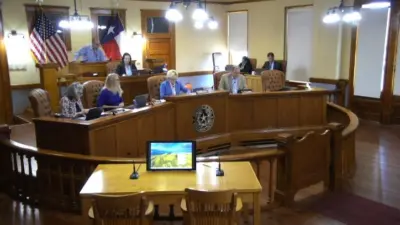

Dozens of Central Texas residents turned out in South Austin Tuesday night for a public meeting on the proposed MoPac South expansion, voicing both support and concern over the long-debated project.
The meeting, hosted at Bowie High School, was part of an ongoing public comment period tied to a draft environmental assessment for the project, which would add express lanes along MoPac from Cesar Chavez Street to Slaughter Lane.
Attendees were able to review project materials, speak directly with planners, and submit written comments, as officials continue to refine the plan.
Transportation officials say the goal of the project is to improve mobility and reduce congestion along one of Austin’s most heavily traveled corridors.
The proposed plan includes adding express lanes in each direction, along with potential improvements for transit, bicyclists, and pedestrians.
The project has been under study for more than a decade as population growth and traffic congestion continue to worsen across Central Texas.
While some residents support efforts to ease traffic, the meeting also highlighted ongoing opposition.
Environmental groups and neighborhood advocates have raised concerns about the project’s potential impact on nearby green spaces and waterways, including areas near Barton Creek and Lady Bird Lake.
Others argue that expanding highway capacity—particularly with toll lanes—could ultimately encourage more driving and fail to solve long-term congestion issues.
Transportation advocacy groups have also questioned whether the project prioritizes cars over alternative solutions like public transit improvements.
Some community members have also expressed concerns about how the design could affect access to surrounding neighborhoods and major roadways.
Critics say certain configurations could create bottlenecks or complicate access points along MoPac, potentially impacting safety and daily commutes.
Supporters of the project say action is needed to address worsening traffic conditions.
With MoPac serving as a key north-south route through Austin, many commuters say delays have become a daily frustration, and additional lanes could help improve travel times.
Proponents also argue the project includes multimodal elements and environmental considerations as part of the ongoing review process.
The public comment period remains open through early May, giving residents additional time to weigh in before any final decisions are made.
Officials say feedback gathered during the hearing process will help shape the final design as the project moves forward.